Spring Planning for Concrete Steps Resurfacing Projects
Spring is the perfect time to refresh your property’s curb appeal by connecting with local contractors who specialize in concrete steps resurfacing.
Spring is a popular season for concrete steps resurfacing because it offers ideal weather conditions for outdoor projects. As temperatures rise and snow and ice recede, property owners often find it easier to plan and prepare for upgrades to their walkways, porches, and entryways. Spring also marks a time when many individuals are looking to refresh the appearance of their homes after winter, making it an opportune moment to improve curb appeal and ensure safety around outdoor stairs. With longer daylight hours and milder conditions, spring provides a practical window for local contractors to complete resurfacing work efficiently and effectively.
Concrete steps resurfacing typically involves repairing and restoring existing stair surfaces to improve their appearance and durability. The service can cover a range of tasks, including removing surface damage such as cracks or spalling, applying new finishes or coatings, and enhancing the overall look with decorative textures or colors. Resurfacing can also involve leveling uneven steps and adding non-slip surfaces to improve safety. The goal is to extend the lifespan of the existing concrete while giving it a fresh, updated look that complements the property's style and outdoor environment.
When comparing local contractors for concrete steps resurfacing, property owners should consider factors such as experience with similar projects, reputation within the community, and the scope of services offered. It’s helpful to review portfolios or request examples of previous work to assess craftsmanship and attention to detail. Additionally, contacting multiple service providers can provide insight into their approach, communication style, and willingness to address specific project needs. By evaluating these aspects, property owners can identify reliable local contractors capable of delivering quality results tailored to their outdoor space.
Compare local contractors' expertise and experience to plan your spring concrete resurfacing project effectively.
- Enhance Curb Appeal - Resurfacing concrete steps can refresh the appearance of outdoor entrances.
- Improve Safety - Repairing and resurfacing can reduce cracks and uneven surfaces that pose tripping hazards.
- Prepare for Seasonal Use - Spring is an ideal time to update steps before heavy outdoor activity begins.
- Increase Durability - Local contractors can apply resurfacing solutions that extend the lifespan of concrete steps.
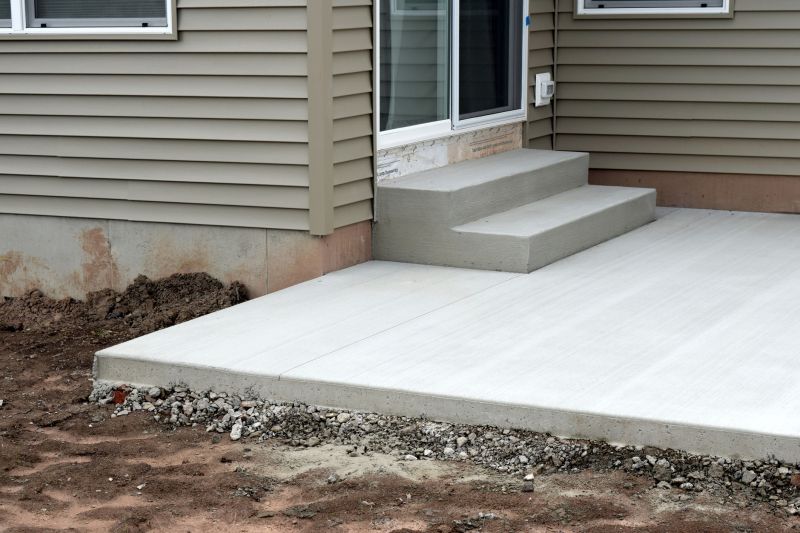
Before comparing options, clearly describe your concrete resurfacing project to help local contractors recommend the best solutions.
- Inspect the existing concrete for cracks, spalling, or uneven surfaces that may need repair before resurfacing. - Local contractors can evaluate the condition of the steps to determine if resurfacing is appropriate.
- Ensure the surface is thoroughly cleaned and free of debris, grease, or loose material to promote proper adhesion of the new coating. - Service providers can prepare the steps for optimal resurfacing results.
- Check for proper drainage around the steps to prevent water pooling and potential damage after resurfacing. - Local pros can assess drainage issues and recommend solutions to protect the new surface.
- Consider the current color and texture of the steps to select a resurfacing finish that complements the surrounding area. - Contractors can help choose finishes that enhance curb appeal and durability.
- Evaluate the safety features of the steps, such as slip resistance, and discuss options for adding textured coatings if needed. - Local service providers can recommend slip-resistant finishes for improved safety.
- Plan for any necessary repairs to the underlying concrete before applying a resurfacing product to ensure a smooth, long-lasting finish. - Professionals can address foundational issues that may affect the success of the resurfacing project.
Use this to explore ideas and refine your project scope with trusted local contractors.
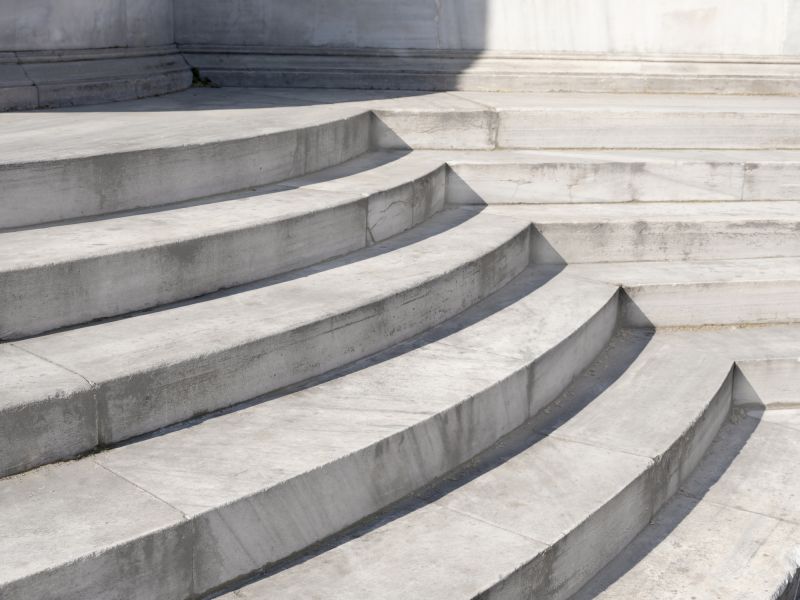
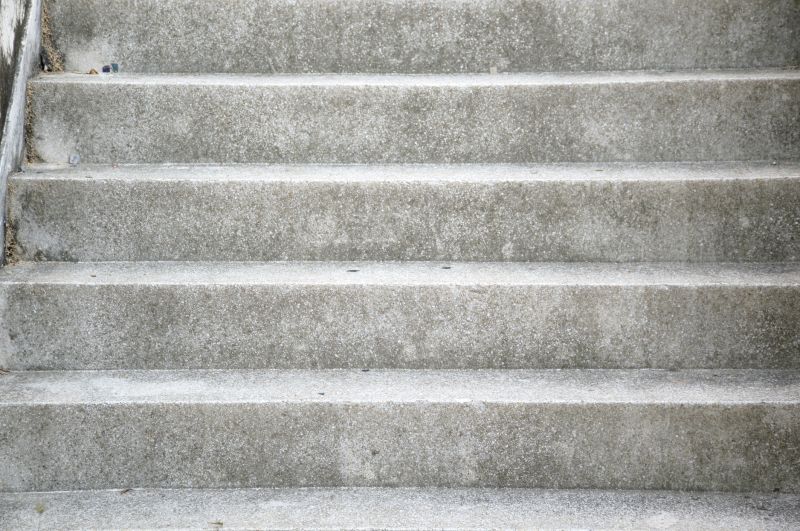
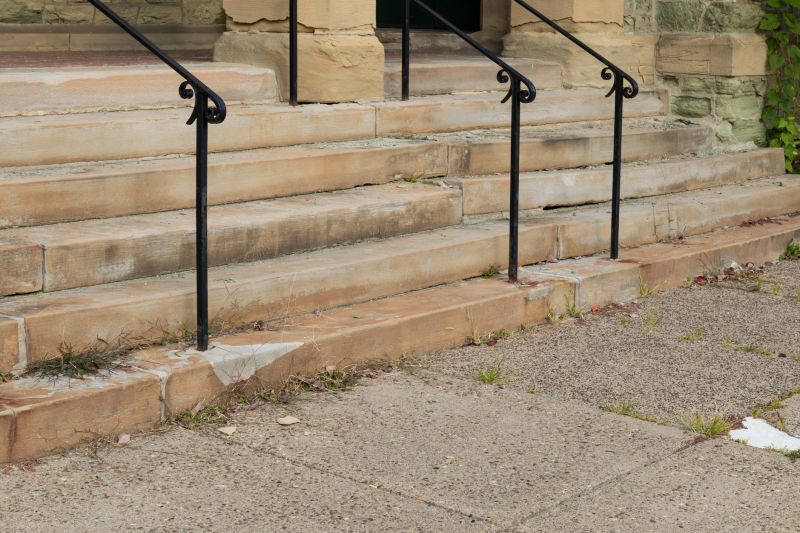
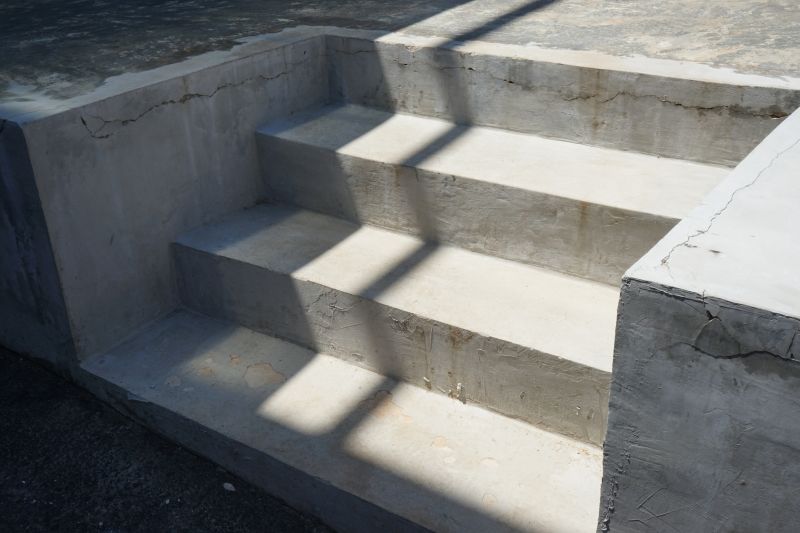
Prioritize your resurfacing needs and compare local contractors to find the best fit for your spring project.
- Concrete Surface Refresh - Spring is an ideal time to update worn or faded concrete surfaces with resurfacing techniques that restore their appearance. Local contractors can help apply new coatings or overlays to give driveways and patios a fresh look.
- Crack Repair and Surface Smoothing - Addressing cracks and imperfections early in the season can prevent further damage and improve the longevity of concrete surfaces. Service providers can handle filling cracks and smoothing surfaces for a seamless finish.
- Patterned and Decorative Resurfacing - Enhance curb appeal by adding decorative patterns or textures to existing concrete, making outdoor spaces more inviting for spring gatherings. Local pros can customize designs to match personal styles or landscape themes.
- Surface Preparation and Cleaning - Proper cleaning and prep work are essential for successful resurfacing projects, ensuring adhesion and durability. Experienced contractors can prepare surfaces by removing debris, stains, and loose material before applying new coatings.
- Sealing and Protective Coatings - Applying sealers after resurfacing helps protect concrete from spring rains and seasonal wear, maintaining its appearance and integrity. Service providers can recommend suitable sealing options to extend the life of the surface.
Compare concrete steps resurfacing options across local contractors to ensure consistent quality and results.
- Surface Preparation - define the necessary steps to clean and prepare the existing concrete surface for resurfacing.
- Material Selection - identify suitable resurfacing products that match the condition and desired finish of the steps.
- Application Method - determine the appropriate techniques and tools used by local contractors to apply the resurfacing material.
- Surface Texture and Finish - specify the desired texture and appearance of the resurfaced steps to meet aesthetic and safety preferences.
- Curing and Sealing - outline the recommended procedures for proper curing and sealing to ensure durability and longevity.
When comparing service providers for concrete steps resurfacing during the spring season, it’s important to consider their experience with similar projects. Homeowners should look for local contractors who have a proven track record of successfully completing concrete resurfacing jobs, especially those that involve steps or similar outdoor features. An experienced pro will understand the nuances of working with existing concrete surfaces, ensuring that the resurfacing material adheres properly and that the finished product withstands seasonal weather changes. Checking for references or portfolio examples can provide insight into their familiarity with projects like yours, helping to gauge their ability to deliver quality results.
Clarity in the scope of work is essential when evaluating options for concrete steps resurfacing. Service providers should be able to provide a detailed description of what the project entails, including surface preparation, the type of resurfacing material used, and any additional steps such as repairs or sealing. Clear written communication helps prevent misunderstandings and sets realistic expectations for the project’s scope and outcomes. Homeowners are encouraged to ask contractors to outline each phase of the work, ensuring that all aspects are covered and that there are no surprises once the project begins.
Work planning considerations are particularly relevant during the spring, as fluctuating temperatures and weather conditions can influence project schedules. Local contractors experienced in spring resurfacing will understand how to plan around unpredictable weather, ensuring proper curing times and avoiding delays caused by rain or temperature swings. It’s beneficial to discuss with prospective service providers how they approach scheduling and weather contingencies. This ensures the project proceeds smoothly, with appropriate steps taken to protect the work and maintain quality standards despite seasonal variability.
When comparing options for concrete steps resurfacing, homeowners should focus on evaluating the experience, scope clarity, and planning strategies of local service providers. Asking questions about their previous projects, requesting detailed work descriptions, and understanding their approach to scheduling can help identify the most suitable contractor for the job. Since this is a neutral guide for connecting with local pros, it’s recommended to gather multiple perspectives to find a contractor who aligns with the project needs and seasonal considerations. Making an informed choice ensures the resurfacing project will enhance the home's curb appeal and durability during the spring season.
Request written details from local contractors to ensure the scope of your concrete resurfacing project remains clear and consistent.
- Scope Clarification - What specific surface areas and conditions should be considered when planning concrete resurfacing in spring?
- Provider Comparison - How do local contractors differ in their approach to surface preparation and finishing techniques?
- Material Options - What types of resurfacing materials are commonly used by local service providers for spring projects?
- Experience & Expertise - How can one evaluate the experience of local contractors in handling concrete resurfacing during spring?
- Service Offerings - What additional services or preparations do local pros include in spring-focused concrete resurfacing projects?
What is concrete steps resurfacing? Concrete steps resurfacing involves applying a new finish or coating to existing concrete stairs to improve their appearance and durability without full replacement.
Why consider resurfacing concrete steps in spring? Spring offers ideal weather conditions for resurfacing projects, allowing for proper curing and a fresh look as outdoor spaces become more active.
What types of finishes are available for concrete steps? Local contractors offer various options, including textured coatings, stamped finishes, and decorative overlays to enhance the look of existing concrete stairs.
Is resurfacing suitable for damaged or cracked concrete steps? Yes, resurfacing can help conceal minor cracks and surface imperfections, restoring the appearance and extending the life of the stairs.
How can I prepare my concrete steps for resurfacing? Typically, the process involves cleaning the surface thoroughly, removing loose debris, and repairing any major cracks before applying the new finish.
How do local service providers ensure a quality concrete resurfacing job? Experienced contractors follow proper surface preparation, use high-quality materials, and apply finishes evenly to achieve durable and attractive results.
Spring is an ideal time to refresh outdoor spaces, and concrete steps resurfacing can significantly improve the appearance and safety of entryways. Visitors have learned about the benefits of updating worn or damaged concrete steps, including enhanced curb appeal and durability. To explore options and find the right local contractors for this project, using the quote form can help compare services and connect with experienced professionals in the area.
Getting multiple estimates from trusted local contractors ensures that the project aligns with individual preferences and needs. By utilizing the quote form, visitors can easily access information about available services and find the right service providers to handle their concrete steps resurfacing. This approach supports making informed decisions during springtime planning for home improvements.
Providing clear details about your concrete resurfacing project helps local contractors understand your needs and plan effectively.
- Surface Preparation - sharing details about the existing surface condition and any necessary cleaning or repairs.
- Resurfacing Preferences - describing the desired finish, color, or texture for the resurfaced concrete.
- Project Goals - explaining the main reasons for resurfacing, such as aesthetic upgrade or surface durability.
- Property Details - providing information about the location and size of the area to be resurfaced.